Know Your Rights
Global human rights front
GHRF
Know Your Rights: Accessibility and Inclusion in Public Spaces
Summary
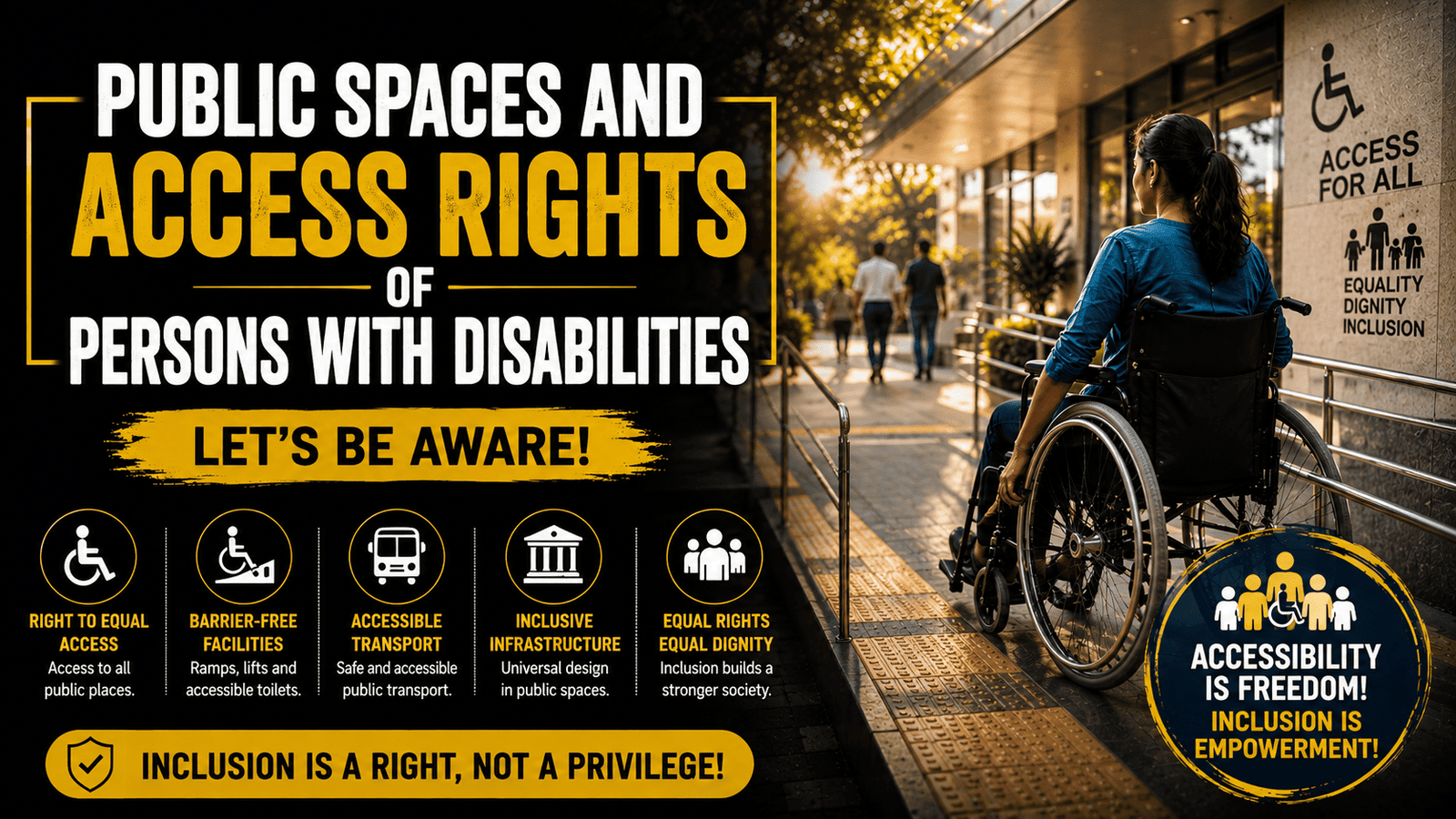
In Sri Lanka, persons with disabilities have a legal right to barrier-free access to public buildings, transportation services, and public spaces. This right is safeguarded by the Constitution, the Protection of the Rights of Persons with Disabilities Act No. 28 of 1996, and Gazette Extraordinary No. 1467/19 of 2006. If access is denied or discriminatory practices occur, complaints can be filed with the relevant authorities or the Human Rights Commission of Sri Lanka (HRCSL).
Frequently Asked Questions (FAQ)
1. What is the primary legislation protecting the accessibility rights of persons with disabilities?
Answer: The Protection of the Rights of Persons with Disabilities Act No. 28 of 1996.
2. What are the essential accessibility facilities that should be present in a public building?
Answer: Ramps, accessible restrooms, designated parking spaces, and accessible elevators.
3. Is it legally mandatory to provide accessibility facilities?
Answer: Yes. Under Gazette Extraordinary No. 1467/19 of 2006, the provision of these facilities is mandatory.
Know Your Rights: Legal Protections During Arrest
Summary
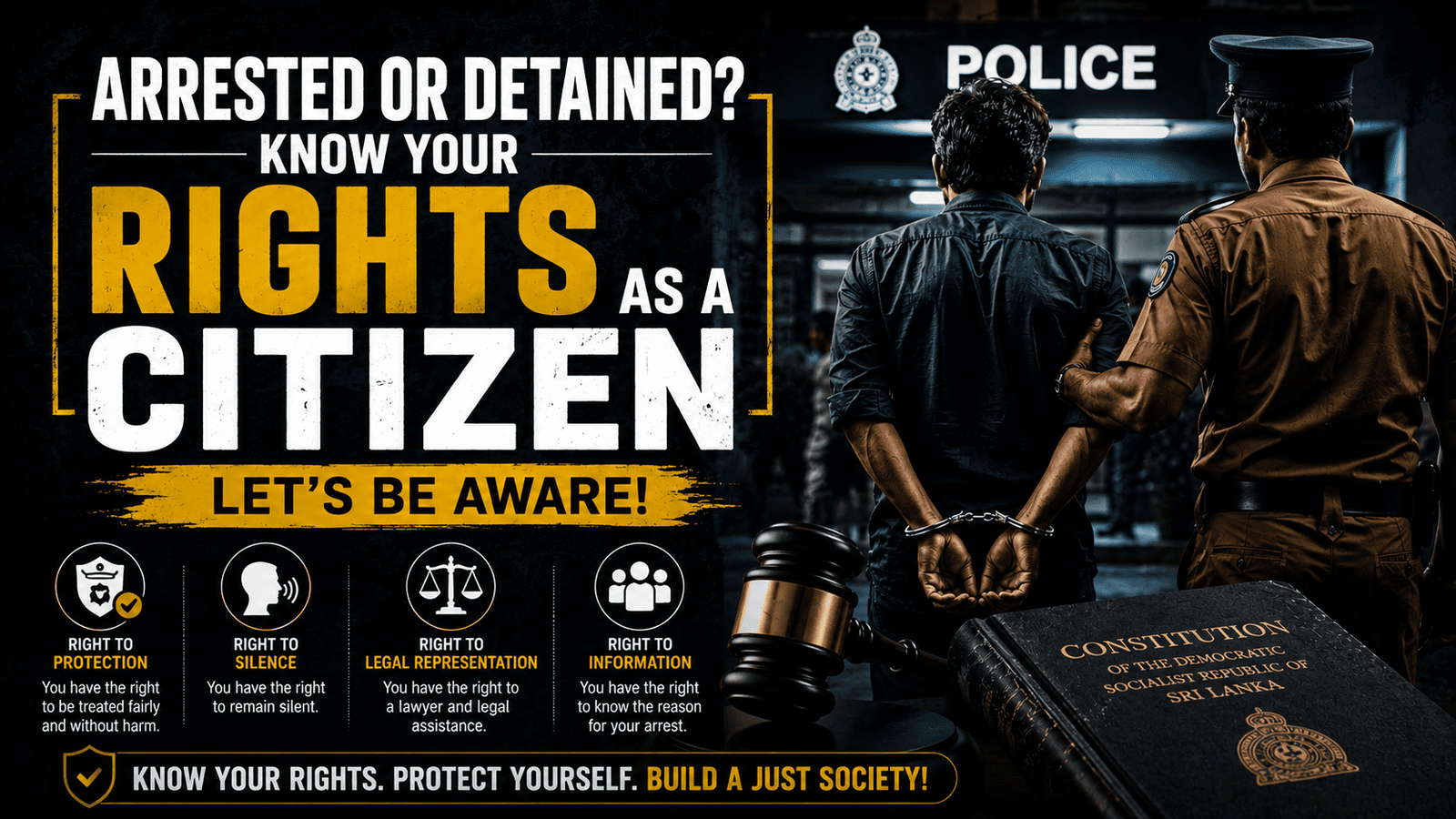
Every citizen in Sri Lanka is protected by fundamental rights during an arrest. These include the right to be informed of the reasons for the arrest, access to legal counsel, protection from torture, and the requirement to be produced before a Magistrate within 24 hours. Understanding your rights is essential to ensuring your protection under the law.
Frequently Asked Questions (FAQ)
1. When can the police make an arrest without a warrant?
Answer: Under the law, police can arrest without a warrant when there is a reasonable suspicion that a person has committed a cognizable offence.
2. Do I have the right to know the reason for my arrest?
Answer: Yes. According to the Constitution, you must be informed of the reason for your arrest immediately.
3. Am I entitled to legal assistance?
Answer: Yes. You have the right to contact a lawyer of your choice and seek their professional advice.
Protecting Your Personal Data in the Digital Age
Summary
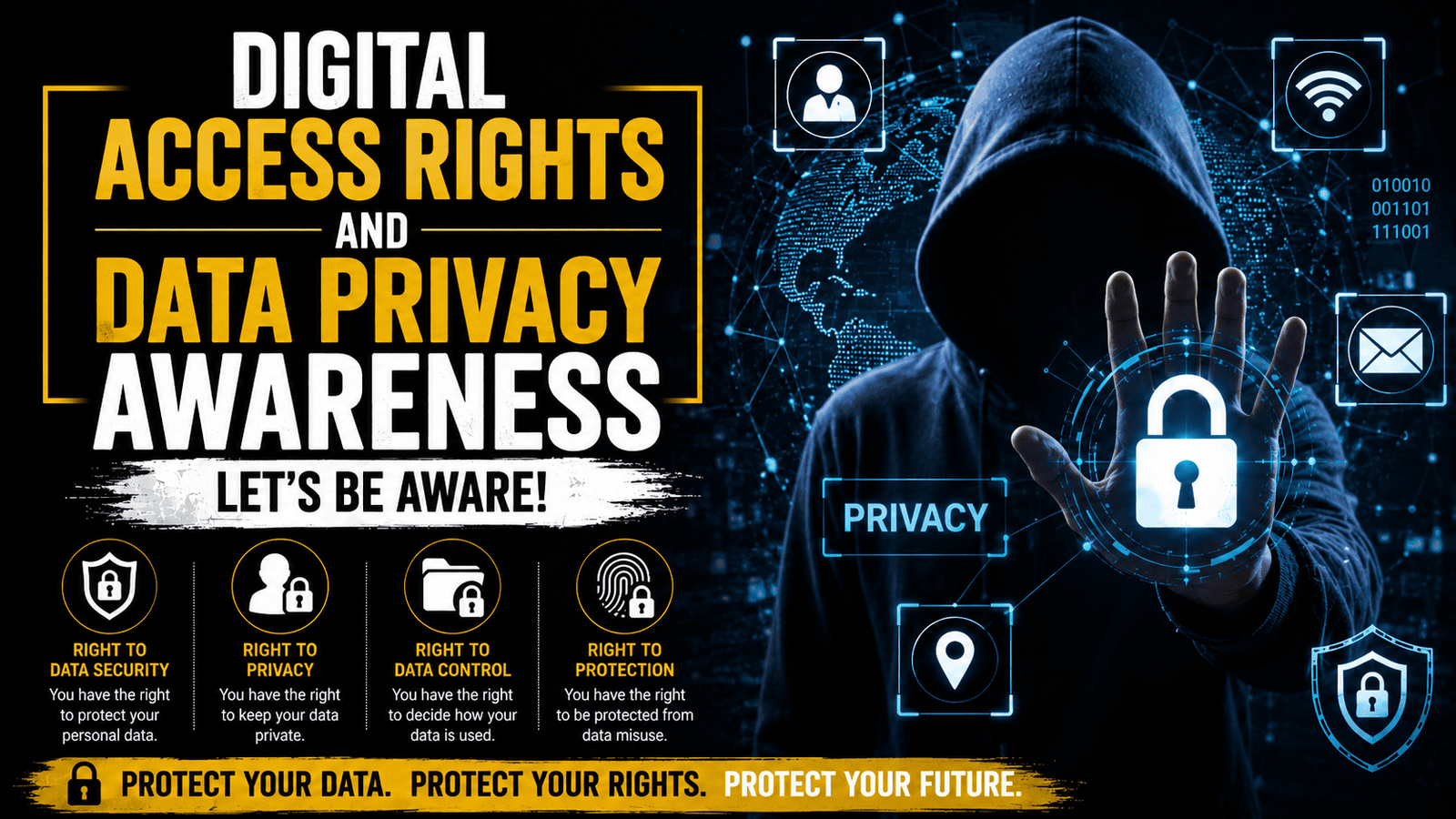
Protecting your personal data in the digital age is a fundamental right. The Personal Data Protection Act (PDPA) No. 9 of 2022 provides a legal framework to safeguard your personal information. If you are a victim of cyber harassment, data misuse, or account hacking, ensure you secure all evidence and file a complaint immediately with Sri Lanka CERT or the Police Cyber Crimes Investigation Division.
Frequently Asked Questions (FAQ)
1. What is the primary law in Sri Lanka that protects personal data?
Answer: The Personal Data Protection Act (PDPA) No. 9 of 2022.
2. When is an organization permitted to use my personal data?
Answer: Only with your explicit consent and for a legitimate purpose defined by law.
3. What should I do first if I am a victim of cyber harassment?
Answer: Secure digital evidence immediately, such as screenshots, relevant links, and messages.
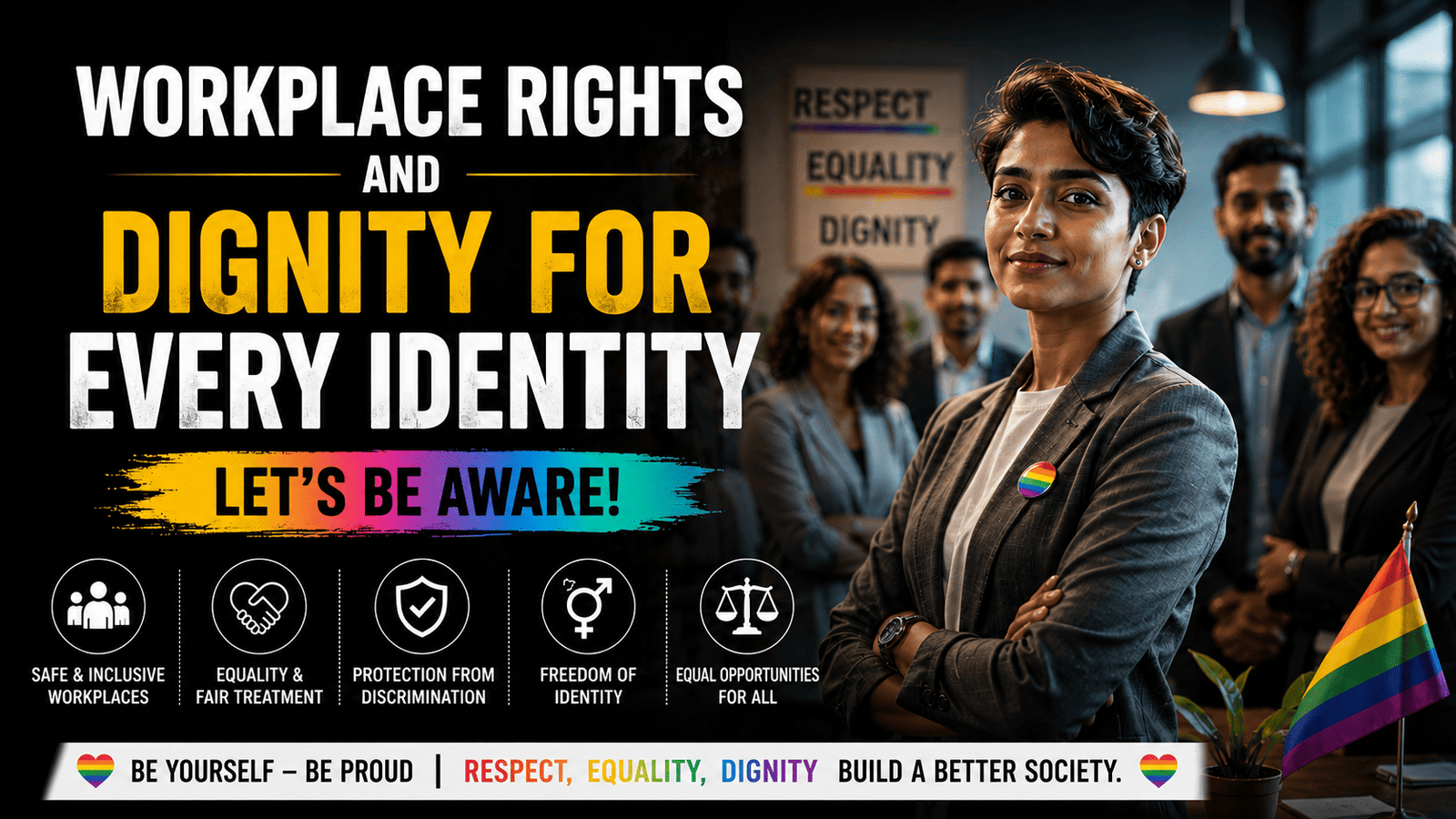
Know Your Rights: Gender Identity & Workplace Dignity
Summary
Every individual has the right to work in an environment defined by dignity, equal opportunity, and freedom from discrimination, regardless of their gender identity or sexual orientation. The Constitution of Sri Lanka guarantees the right to equality and protection against discrimination. If you experience harassment or unfair treatment in the workplace, you may lodge a complaint with your HR department, the Department of Labour, or the Human Rights Commission of Sri Lanka (HRCSL).
Frequently Asked Questions (FAQ)
1. Is it legal to discriminate based on gender identity?
Answer: No. Equality before the law is a fundamental right enjoyed by every individual.
2. Do I have the right to be treated with dignity in the workplace?
Answer: Yes. You have the right to work in an environment free from mockery, harassment, and discrimination.
3. What should I do if I am subjected to discrimination at work?
Answer: First, lodge a complaint with your internal HR department. If the issue remains unresolved, you may approach the Department of Labour or the HRCSL.
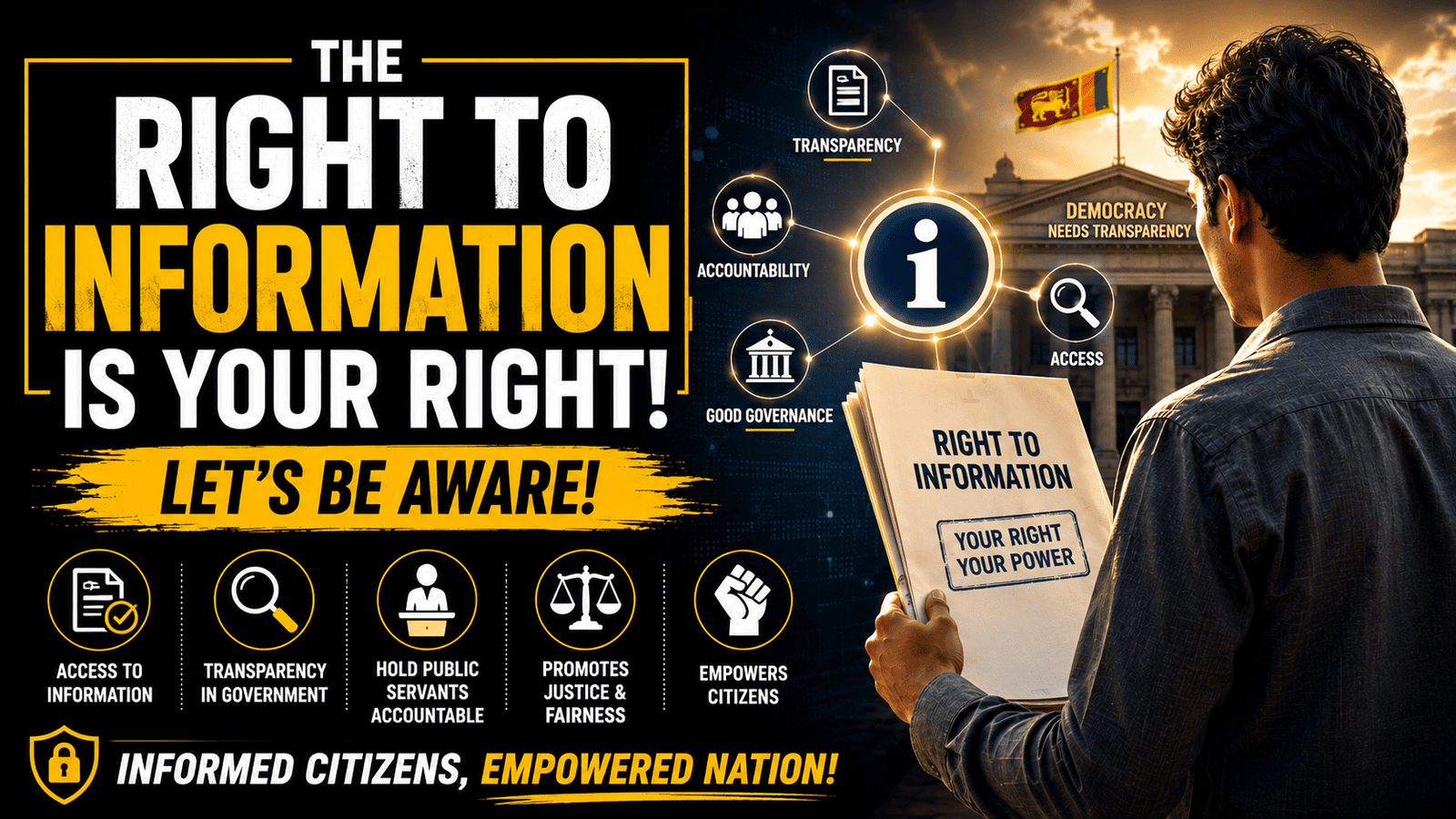
Know Your Rights: Right to Information (RTI)
Summary
Under the Right to Information (RTI) Act No. 12 of 2016, every citizen of Sri Lanka has the legal right to request and receive public information held by public authorities. This Act is designed to strengthen government transparency, accountability, and good governance. If your request for information is denied, there are established legal procedures available for you to file an appeal.
Frequently Asked Questions (FAQ)
1. Who is eligible to request information under the RTI Act?
Answer: Any citizen of Sri Lanka.
2. From which organizations can I request information?
Answer: You can request information from ministries, government departments, local government bodies, state corporations, and other public authorities.
3. Do I need to state the reason for my information request?
Answer: No. You are not legally required to disclose the purpose or reason for your request.
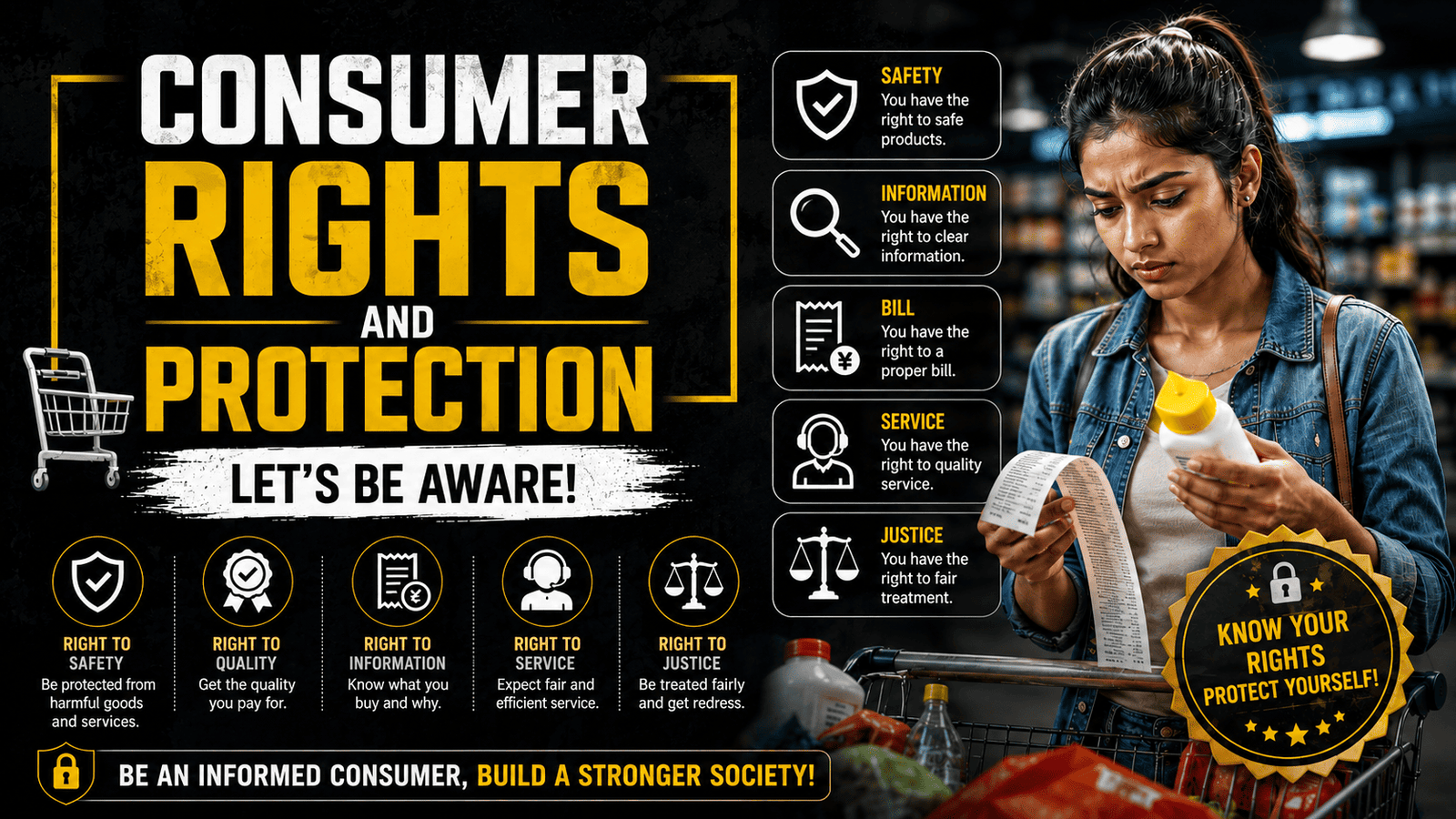
Know Your Rights: Consumer Rights & Protection
Summary
In Sri Lanka, consumer rights are safeguarded by the Consumer Affairs Authority (CAA) Act No. 9 of 2003. Every consumer has the legal right to access safe and quality goods and services, pay fair prices, and file complaints against unfair trade practices.
Frequently Asked Questions (FAQ)
1. What is the primary law that protects consumer rights?
Answer: The Consumer Affairs Authority Act No. 9 of 2003.
2. Is it legal to sell expired goods?
Answer: No. Selling expired goods is an illegal act.
3. What is the most important evidence when filing a complaint?
Answer: The original cash bill or invoice obtained at the time of purchase.
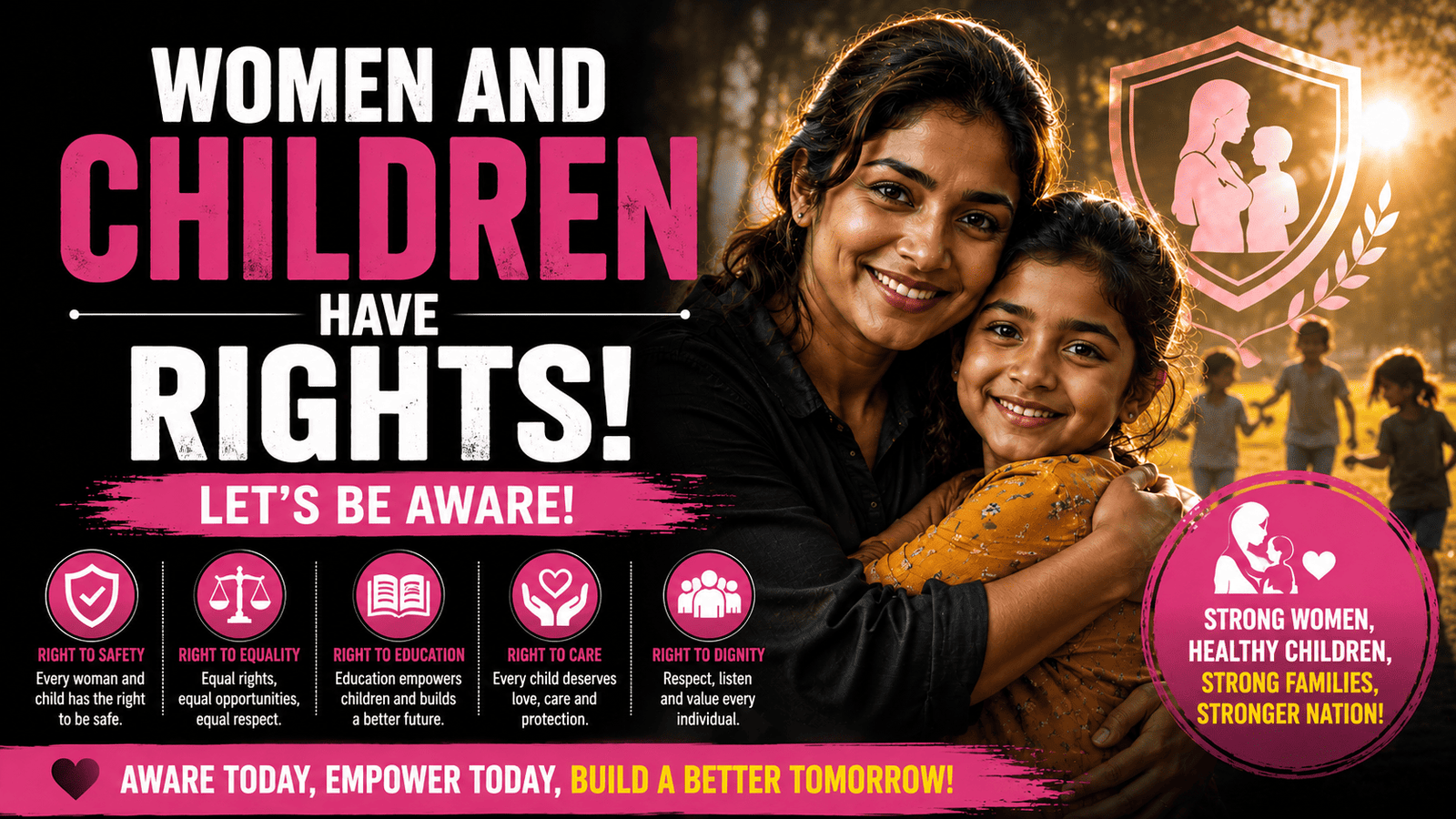
Know Your Rights: Protection from Domestic Violence
Summary
The Prevention of Domestic Violence Act No. 34 of 2005 provides legal protection to women and children against domestic violence in Sri Lanka. Physical, mental, sexual, and economic abuse are all considered forms of violence under the law. Victims have the right to seek a Protection Order from the courts and can access assistance through the Police, the National Child Protection Authority (NCPA), and other support services.
Frequently Asked Questions (FAQ)
1. What is considered domestic violence?
Answer: Any form of physical, mental, sexual, or economic abuse within a domestic setting is classified as domestic violence.
2. What is the primary legal remedy a victim can obtain from the court?
Answer: A Protection Order.
3. Who should be contacted in an emergency regarding domestic violence?
Answer: You can contact the Sri Lanka Police (119), the Women’s Help Line (1935), or the National Child Protection Authority (1929).
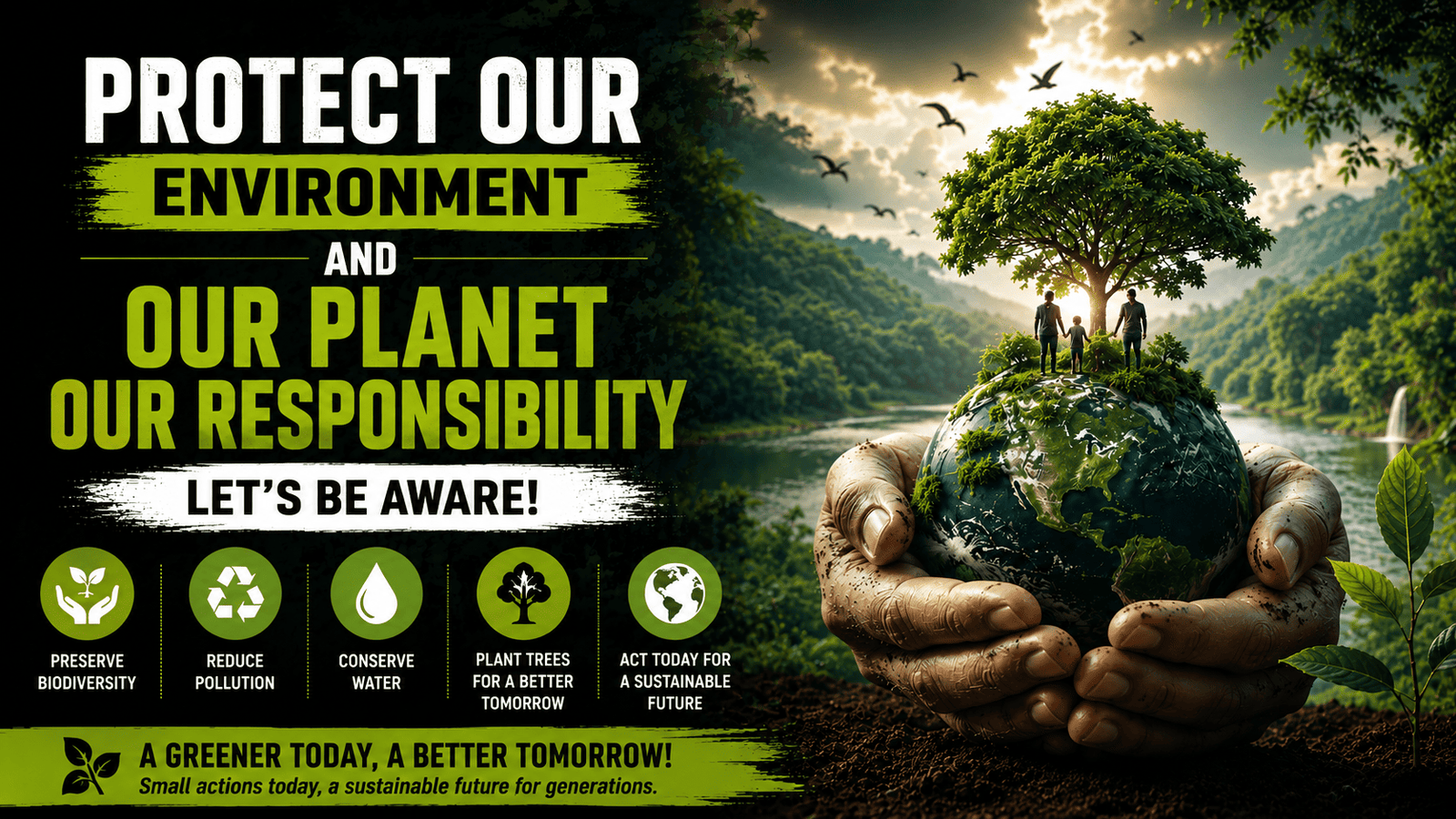
Know Your Rights: Environmental Rights & Responsibilities
Summary
Living in a healthy and clean environment is a fundamental right of every citizen. The National Environmental Act No. 47 of 1980 provides legal protection against environmental pollution, the destruction of water sources, and other environmental crimes. Protecting the environment is not only a legal obligation but also a social responsibility for every citizen.
Frequently Asked Questions (FAQ)
1. What is the primary law that protects the environment?
Answer: The National Environmental Act No. 47 of 1980.
2. Where can I file a complaint if environmental pollution occurs?
Answer: You can contact the Central Environmental Authority (CEA) or your nearest police station.
3. What is considered illegal environmental pollution?
Answer: Pollution of water sources, illegal waste disposal, and excessive noise pollution.